
Pick the architecture that fits your site.
Not every site needs the same system. Here's how the four most common solar architectures compare — so you can choose with open eyes.
Grid-Tied Systems
The most common and cost-effective setup. Solar feeds the load first; excess export spins the net-meter backward.
Homes and businesses with stable grid supply
- Lowest upfront cost per kW
- Net-metering credits your export
- No battery wear or replacement cost
- Shuts off during grid outage (safety)
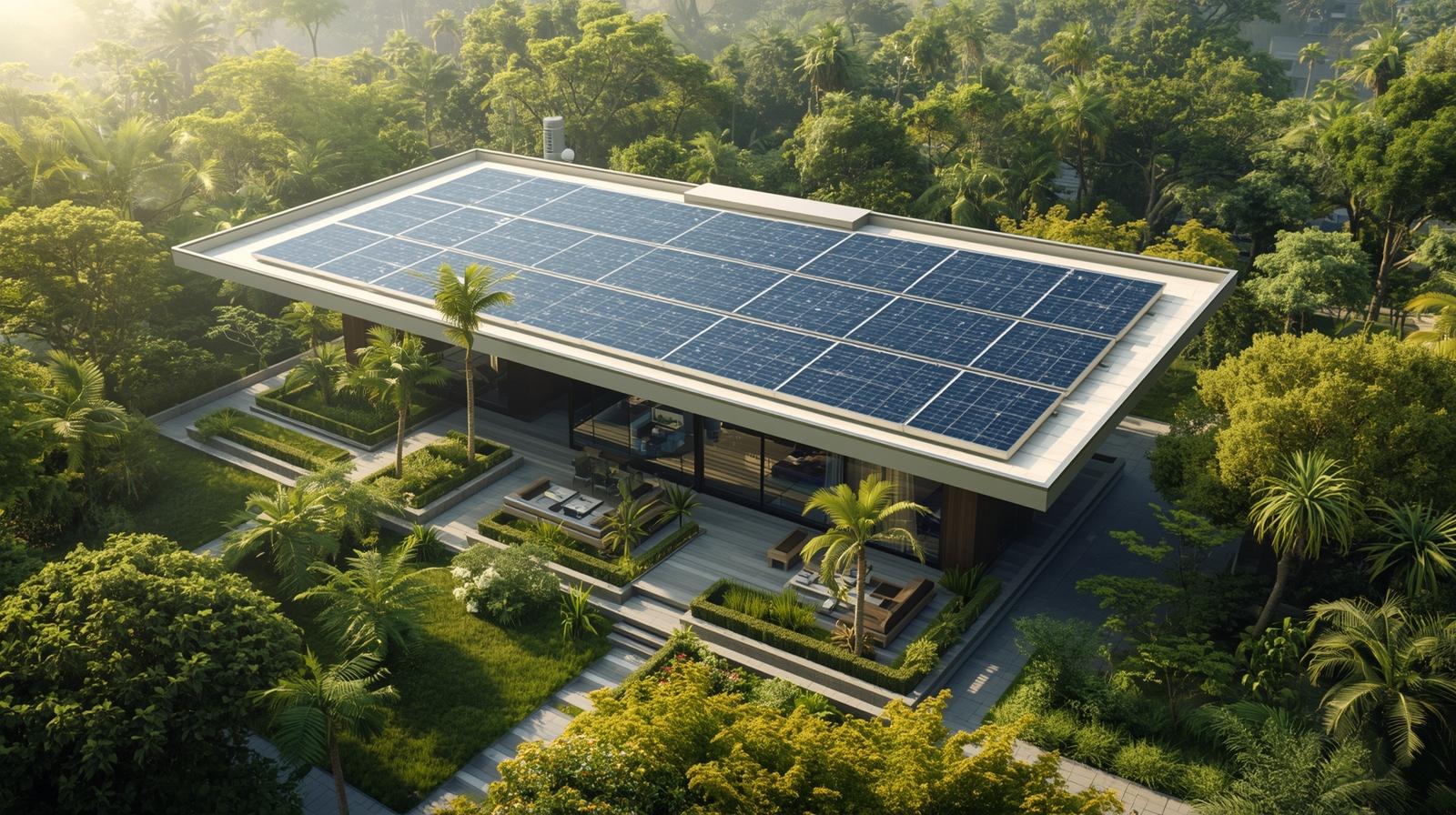
Battery Storage (Hybrid)
Hybrid inverter + LFP battery lets you use solar after sunset and ride through outages without a diesel generator.
Sites with frequent outages or time-of-use tariffs
- Lithium iron phosphate (LFP) chemistry — long cycle life
- Back-up critical loads automatically
- Peak-shave expensive tariff windows
- Future-proof: batteries can be added to most grid-tied installs

Micro-Inverter Systems
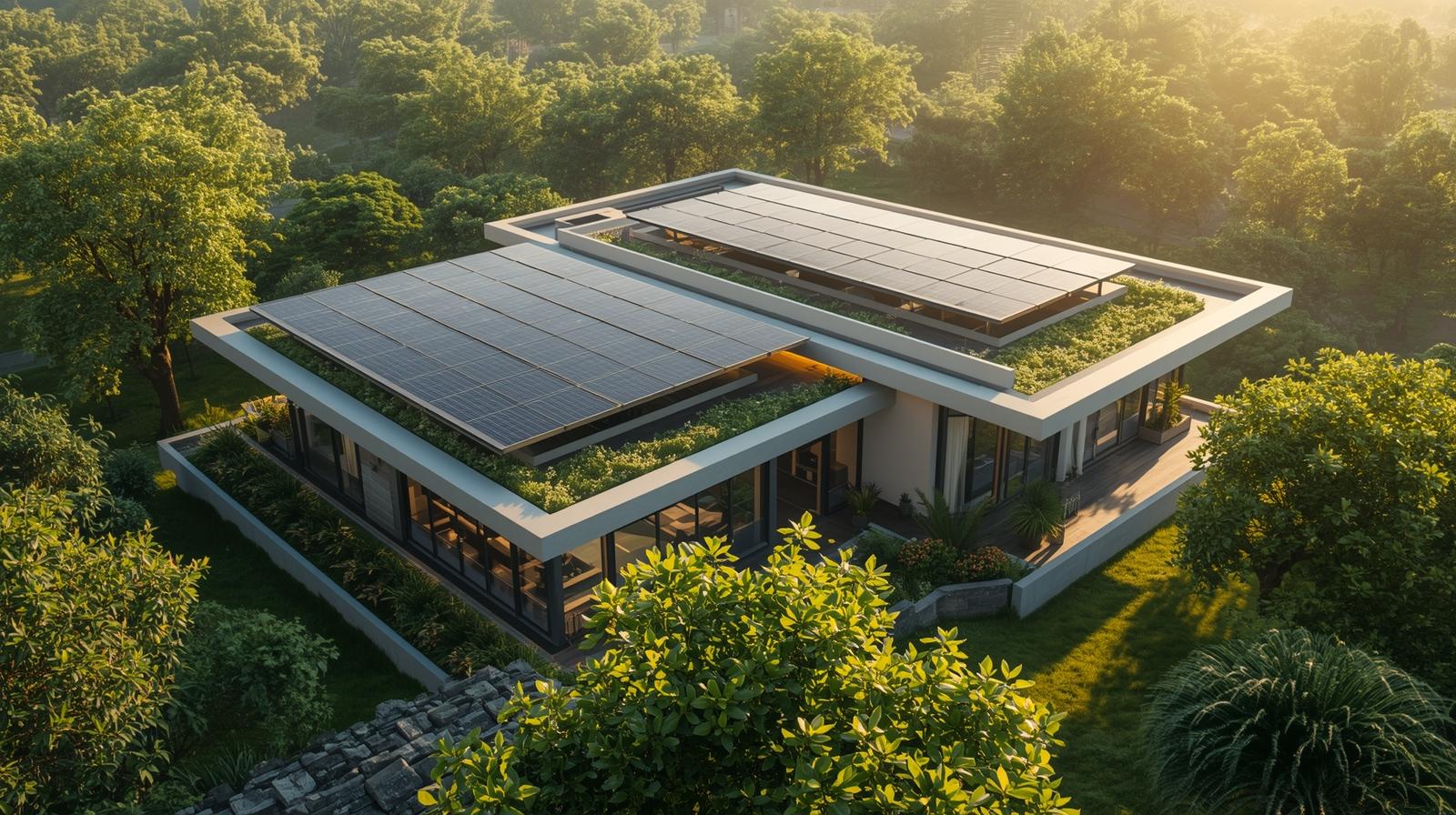
One small inverter per panel. Better yield under partial shade and per-panel monitoring for easier diagnostics.
Shaded or complex roofs with multiple orientations
- No single-point-of-failure string inverter
- Panel-level MPPT = higher yield under shade
- Panel-level telemetry for fault isolation
- Safer rooftop voltage (AC at the panel)
Ground Mount & Solar Tree
When roof area is tight or unavailable, ground-mount structures and solar trees turn land into a productive asset.
Farms, factories, and institutional campuses
- Optimal tilt and orientation independent of roof
- Fixed or tracker-based structures
- Solar tree: compact footprint with shaded ground use
- Simpler O&M access than rooftop

Which system is right for me?
| Architecture | Upfront cost | Backup during outage | Shade tolerance |
|---|---|---|---|
| Grid-tied | Lowest | No | Moderate |
| Hybrid + Battery | Highest | Yes | Moderate |
| Micro-inverter | Moderate | No | Best |
| Ground mount | Varies | Optional | Best |
Ready to cut your power bill in half?
Book a free, no-obligation site survey. Our engineers will design a system sized for your roof, load profile, and budget.